English
 Español
 Français
 Italiano
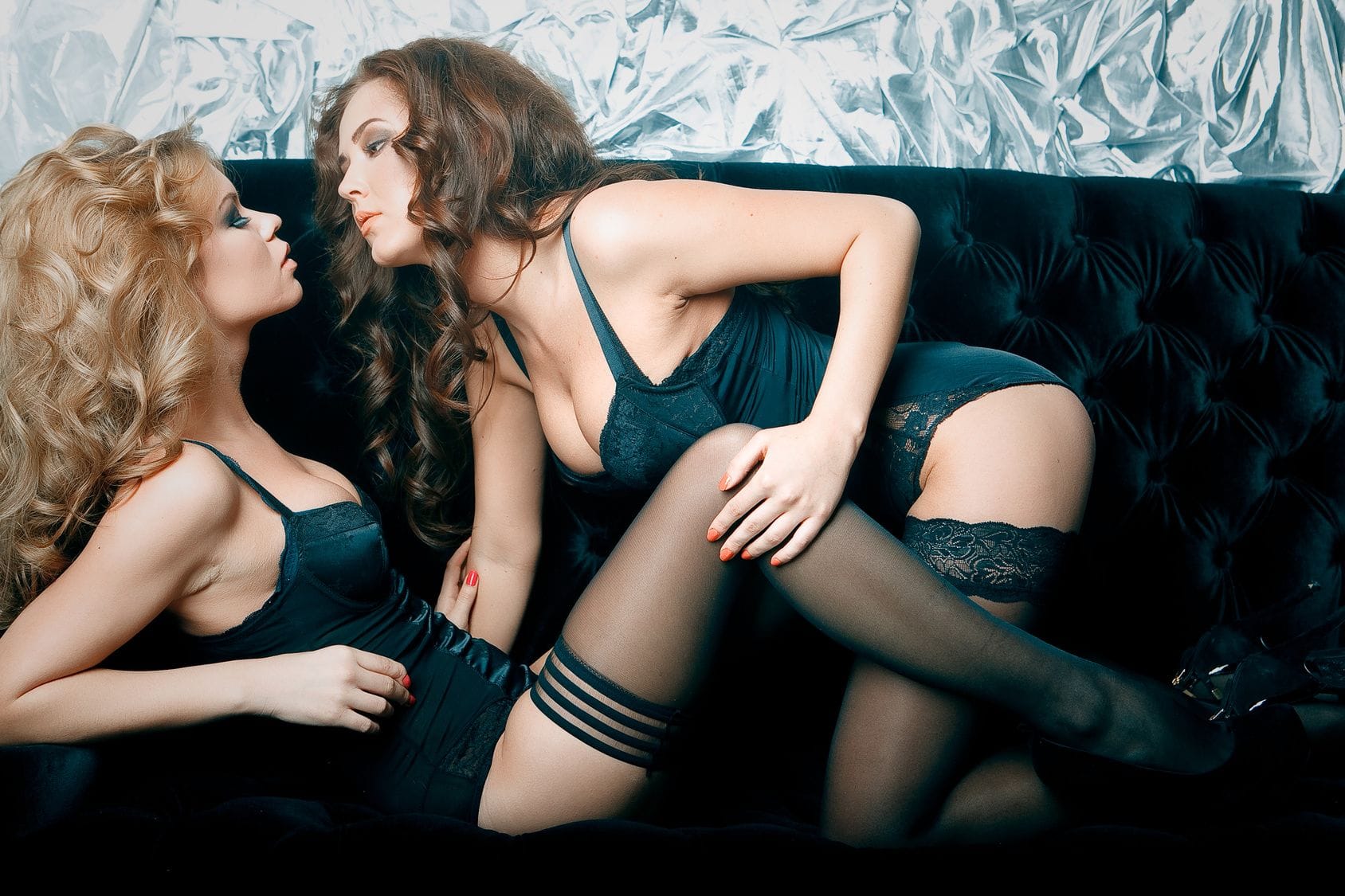
Few forces have shaped how we think about desire as strongly as pop culture. Film, music and fashion have made bisexuality visible and turned the elegant courtesan into a lasting icon of glamour, freedom and fantasy.
The story of bisexuality in pop culture is really a story about permission. For most of the last century desire between women was hinted at, coded or cut from the script, and then, slowly, film, music and fashion started saying it out loud. Alongside that shift sits a much older figure who never quite left the screen: the cultured courtesan, admired for her wit as much as for her looks.
We talk to clients about both themes more often than you might think. Not because anyone wants a film plot recreated, but because these images shape what people imagine before they ever pick up the phone. So this piece looks at where those images came from, what they got right and where reality is quieter (and, frankly, more interesting).













01From whispered secret to open conversation
For much of the twentieth century, bisexuality was barely mentioned in public. Studios and record labels managed the image of their stars carefully, and anything outside a narrow romantic ideal stayed out of sight. Desire between women existed, of course. It lived in private letters, in artistic circles and in the cabarets and salons of Paris, Berlin and Vienna. It was rarely named.
That changed as artists pushed. Over the decades more actresses, singers and models spoke openly about loving women and men. Each interview gave other people a word for something they already felt. Today a public figure describing herself as bisexual hardly makes the news. That small fact says a lot about how far things have moved.
02How film shaped bisexuality in pop culture
Cinema has always loved ambiguity. Early films suggested attraction between women through long glances and tailored suits on glamorous leading ladies. Later came the erotic thriller, where the femme fatale refused to be pinned to one gender, and quieter independent dramas that told the story of first love between two women with real warmth.
These stories did more than entertain. They showed a woman who could be desirable, powerful and free to choose, and they made clear that her desire belonged to her rather than to the audience. Streaming series have carried that on, writing bisexual characters as complete people instead of a twist in episode six.
European cinema was often bolder than Hollywood. French, Spanish and Italian directors filmed women who love women with a frankness that felt natural rather than scandalous. Without meaning to, they built a very European idea of erotic elegance, one you can still sense in the way a dinner in Paris or Milan is staged today.
 CelinaBarcelonaView profile
 CelinaBarcelonaView profile
 KaiaValencia / MadridView profile
 KaiaValencia / MadridView profile
 ValentinaBarcelonaView profile
 ValentinaBarcelonaView profile
 MiaBarcelonaView profile
 MiaBarcelonaView profile
 PaulaBarcelonaView profile
 PaulaBarcelonaView profile
 ChloeSalzburgView profile
 MonicaZürichView profile
 KatharinaBarcelona / ValenciaView profile
 KatharinaBarcelona / ValenciaView profile
 NinaMadridView profile
 NinaMadridView profile
03Music and fashion: playing with the lines
Music did as much for bisexuality in pop culture as any film. Lyrics about kissing a girl, stage shows that blurred masculine and feminine, videos full of sensual ambiguity: all of it helped normalise the idea that attraction does not have to follow a script. Some of it was marketing, clearly. It still opened doors.
Fashion did something similar. Androgynous tailoring, lingerie worn as outerwear, campaigns showing women embracing women. Designers understood early that a hint of the unexpected is seductive. Editorial imagery made sensuality between women look confident and stylish, a long way from the clichés of adult entertainment. It also changed what many people picture when they think of luxury, a theme we pick up in our guide to lingerie and stockings.
04The courtesan myth and why it never fades
Next to the bisexual muse, pop culture has kept another figure alive for centuries. The courtesan. From the celebrated companions of Renaissance Venice to the demi-mondaines of Belle Époque Paris, history is full of women who combined beauty, education and wit with an independence few women of their time had. They hosted salons, inspired painters and poets, and moved among aristocrats and artists almost as equals.
Novels gave us the tragic courtesan who falls in love. Opera set her passion to music. Hollywood turned her into a modern woman whose glamorous evenings end in an unexpected romance. Tabloids added the rumour that some star once lived a secret life as a companion before fame. Those claims are almost never verifiable, and they say more about our fascination than about any real person. That is why we leave names out entirely.
What the myth captures is an ideal: a woman who is cultured, sure of herself and in charge of her own choices, offering conversation and presence as well as intimacy.
05Glamour on screen, calm in real life
Films exaggerate. On screen the courtesan’s life is either champagne and diamonds or melodrama and heartbreak. A real date with a high class escort is calmer, and built on things that make poor cinema: discretion, respect and planning. The ladies who work with a serious agency are independent women. They choose whom they meet and decide for themselves which preferences they share.
In our experience the first question a new client asks is rarely about anything daring. It is usually what to wear, or where to meet. The answer is ordinary in the best way. Dates take place in a 4 or 5 star hotel or a comparable private residence, wishes are discussed with us beforehand, and the date is confirmed once the security deposit of at least 40% has arrived. Until then nobody’s time is blocked. You will find the details on our rates page.
The modern version of the salon is probably the long dinner, the gallery opening or a weekend in another city. If that idea appeals, our guide to the dame de compagnie explores this classic style of companionship.
06What visibility did to our fantasies
Once desire is visible, it becomes easier to name. Many women who grew up with openly bisexual artists feel freer to follow their curiosity. Many couples have found that a fantasy involving another woman is not strange at all, and can be talked about over breakfast rather than hidden. And plenty of gentlemen are drawn less to a quick encounter than to the cinematic idea of an evening with a captivating, well-read companion.
We notice this in the requests themselves. Couples often write to us a little nervously, as if they were the first to ask. They are not. The most relaxed bookings tend to be the ones where both partners have talked it through at home and simply want help finding a lady who shares that interest. Our guide to bisexual escort dates explains how we arrange these with care, and our magazine piece on female bisexuality and lesbian fantasies goes deeper into the psychology.
Pop culture did not invent any of these desires. They were always there. It gave them pictures, vocabulary and a sense that they were allowed.
07From the cinema seat to a real evening
Turning a screen fantasy into a real date works best when you keep the good parts of the myth and drop the rest. Keep the conversation, the dressing up, the sense of occasion. Drop the idea that anything is owed or automatic. A good escort service exists to handle the practical side quietly, so that the evening itself feels natural.
- Read the profiles of our high class escorts properly. Each lady describes her own interests and the kind of dates she enjoys.
- Tell us what draws you, in your own words. We would rather hear that you loved the mood of an old film than receive a list of demands.
- Plan around the place. A dinner in Paris, a gallery morning in Barcelona or a hotel bar in Madrid each sets a different tone.
Most of our escort models say the same thing: the evenings they remember are the ones where the client was curious about them as a person. That has always been the real core of the courtesan story, long before anyone filmed it. If you are planning time in France, our Paris city guide is a good place to start.
08A story still being written
Bisexuality in pop culture and the lasting appeal of the sophisticated companion share one thread. Both are about freedom: to desire without apology, and to choose whom you spend your time with. Film, music and fashion brought that freedom into the open. The rest is written privately. If you would like to write a chapter of your own with a high class escort from our agency, send us a few lines through the booking form and we will take it from there.
Bisexuality, Glamour & the Courtesan Myth – How Pop Culture Changed Desire – FAQ
01How has bisexuality in pop culture changed over time?
It has moved from coded hints and censored scenes to open, ordinary representation. Artists now mention it in interviews without causing a scandal, and series write bisexual characters as full people rather than plot devices.
02Who were the historical courtesans?
They were educated, independent women who kept company with wealthy and influential men, most famously in Venice and Paris. Their reputation rested on conversation, culture and charm, not on looks alone.
03Is a real high class escort date anything like the films?
Rarely. Real dates are quieter and planned with care, usually in a good hotel or a private residence. Each lady chooses which preferences she shares, and wishes are agreed with the agency beforehand.
04How discreet is booking with One Kind?
Very. We handle every request personally, never pass your details to third parties and confirm only once the security deposit of at least 40% has arrived. Our ladies' privacy is protected just as carefully as yours.
05Why does this article not name any celebrities?
Stories about the private lives of famous people can almost never be checked. We prefer to look at cultural trends instead of guessing about real individuals.